
“Carol of Bells” sheet music PDFs are widely available. This guide lists official publishers, free resources, and licensing details. Musicians can download accurate scores, tempo markings, and optional arrangements for solo or ensemble play, ensuring a polished holiday performance. Free for students. Now
Historical Context of “Carol of Bells”
“Carol of Bells,” originally titled “Carol of the Bells,” was composed in 1914 by Ukrainian composer Mykola Leontovych. The piece was based on a 19th‑century folk chant, “Shchedryk,” which celebrates the arrival of spring and the prosperity of a household. Leontovych arranged the chant for a choir, adding a bright, rhythmic motif that would become iconic during the holiday season.
During the early 20th century, the song gained popularity in Eastern Europe, but it was not until the 1940s that it entered the American consciousness. In 1942, the American composer and conductor John R. T. (J.R.T.) adapted Leontovych’s arrangement for a popular orchestra, and the recording was released by the Columbia Records label. The 1943 version, featuring a full orchestra and a choir, became a staple of Christmas radio broadcasts and was embraced by the public for its festive, bell‑like texture.
After World War II, “Carol of Bells” was incorporated into numerous holiday repertoires worldwide. Its rhythmic drive and shimmering harmonies made it a favorite for both choral and instrumental ensembles. The piece’s popularity was further cemented by the 1960s when it was featured in several television specials and film soundtracks, solidifying its status as a modern Christmas classic.
Today, the sheet music for “Carol of Bells” is widely distributed, and many publishers offer both traditional choral arrangements and modern adaptations for piano, guitar, and orchestras. The piece remains a beloved holiday staple, celebrated for its bright, bell‑like motifs and its rich historical roots.
Composer and Origin
Mykola Leontovych, a Ukrainian composer born in 1875, is the creator of the enduring holiday piece “Carol of Bells.” Leontovych’s early life was steeped in the folk traditions of the Carpathian region, where he absorbed the melodic contours and rhythmic vitality of local chants. In 1914, he adapted the traditional Ukrainian folk song “Shchedryk” (commonly known as “The Hark! The Herald Angels Sing”) into a choral arrangement that would later become the basis for “Carol of Bells.” The original chant celebrates the arrival of spring and the prosperity of a household, themes that Leontovych translated into a bright, bell‑like texture through his use of rapid, cascading arpeggios and shimmering harmonies. The arrangement was first performed by the Kyiv Choral Society, and its distinctive rhythmic drive captured the attention of audiences across Europe. Leontovych’s composition was later translated into English by the American composer John R. T., whose 1942 adaptation for a full orchestra and choir helped the piece gain widespread popularity in the United States. The enduring appeal of “Carol of Bells” lies in its fusion of Eastern European folk roots with Western choral traditions, creating a timeless holiday anthem that continues to resonate with listeners worldwide. Leontovych’s composition blends folk melody with sophisticated harmony, setting a standard for choral literature. His precise use of rhythm and tonal color has inspired countless performers, ensuring his legacy endures in concert halls and classrooms alike for future, today.

Musical Structure and Analysis
The piece opens with bright, rapid arpeggios that mimic bell chimes, establishing a festive mood. A clear, repeating motif drives the texture, while harmonic shifts create lift. The structure follows a simple ABA form, with a lyrical middle section before returning to the jubilant opening for all ages
Melody and Harmony

In “Carol of Bells,” the melodic line is built around bright, cascading arpeggio that mimics the ringing of church bells. The opening phrase uses a rapid sequence of eighth notes in major mode, creating an immediate sense of joy festivity. As the piece progresses, melody introduces a simple, memorable motif that repeats every two measures, giving the music a sense of unity and continuity. This motif is often embellished with grace notes and syncopated rhythms that add a playful character. Harmonically, the piece stays firmly in the key of C major, but it frequently modulates to the dominant (G major) to heighten the sense of anticipation before returning to the tonic. The chord progressions are straightforward, yet they support the melodic line by providing a clear harmonic foundation. The use of parallel fifths and octaves in the accompaniment creates a shimmering texture that enhances the bell‑like quality. In the middle section, harmony shifts to a relative minor (A minor) to introduce a more lyrical, contemplative mood, before resolving back to the bright major key for the final refrain. The overall structure of the melody and harmony is designed to be accessible to players of all skill levels, while still offering subtle harmonic twists that keep the listener engaged. This combination of simple, repeating melodic motifs and clear harmonic progressions makes “Carol of Bells” an ideal choice for seasonal performances and educational settings alike.
Rhythm and Tempo
“Carol of Bells” is driven by a steady, marching pulse that mirrors the relentless tolling of church bells. The tempo is typically marked Allegro moderato, around 120–128 beats per minute, which gives the piece a bright, energetic feel while still allowing clear articulation of the rapid eighth‑note runs. The rhythmic structure is built on repeated patterns of sixteenth notes in the upper voices and eighth notes in the lower accompaniment, creating a shimmering, cascading effect. Syncopation is employed sparingly, mainly in the transitional measures where the melody shifts from the opening fanfare to the lyrical middle section. This syncopation adds a subtle sense of forward motion without disrupting the overall march‑like feel. The piece is written in common time (4/4), but the constant overlay of triplet figures gives it a lilting, almost waltz‑like character that keeps the listener engaged. In the final refrain, the rhythm tightens, with a return to straight eighth notes and a slight increase in tempo to about 130 bpm, giving the ending a triumphant, celebratory flourish. Musicians are encouraged to use a metronome during practice to maintain the precise rhythmic integrity that is essential for the piece’s iconic bell‑like texture. Proper tempo control ensures that the rapid passages are clean and that the harmonic foundation remains solid, resulting in a polished, festive performance.
Additionally, the composer uses dotted rhythms in the opening bars to emphasize the “clang” of the bells. These dotted eighth notes followed by quarter notes create a rhythmic contrast that sets the stage for the subsequent arpeggiated figures. The use of syncopated triplets in the bridge section provides a rhythmic lift that propels the music toward its climax. The final cadence features a series of fermatas over sustained chords, allowing the performer to momentarily pause before the last flourish. This pause heightens the sense of anticipation and underscores the celebratory nature of the piece. For ensemble settings, the rhythmic precision of each section—strings, woodwinds, brass—must be tightly coordinated to preserve the bell‑like resonance. A conductor’s cueing of the tempo changes, especially the subtle shift from 120 to 130 bpm, is crucial for maintaining cohesion across the ensemble.
Practicing with a metronome set at 120 bpm and gradually increasing to 130 bpm helps internalize the tempo changes.
Form and Repetition
“Carol of Bells” is built around a virtuosic rondo that keeps the listener’s attention while showcasing technical brilliance. The piece follows an A‑B‑A‑C‑A structure, where the bright fanfare theme (A) appears at the start, after each contrasting section, and at the finale. The B section is a lyrical, slower middle passage that contrasts the driving rhythm of A, and the C section introduces a new melodic idea that is then woven back into the final A theme. Each recurrence of the A theme is not an exact copy; subtle rhythmic or harmonic variations keep the motif fresh while preserving its recognizable bell-like character. A short, two‑bar refrain recurs after every major section, acting as a rhythmic anchor. This refrain is marked “Allegro” and features rapid, cascading arpeggios that mimic the sound of ringing bells. The repetition of the refrain provides unity and allows performers to anticipate the return of the main theme, which is crucial for maintaining the piece’s festive energy. In the final measures, the A theme is extended by four bars that build to a climactic cadence, giving the piece a satisfying resolution. The overall form is designed to showcase technical brilliance while keeping the structure accessible to both soloists and ensembles. The repeated motifs also serve as a mnemonic device for performers, making it easier to memorize the piece; The use of repetition in “Carol of Bells” is a deliberate compositional choice that balances novelty with familiarity, ensuring that the music remains memorable and celebratory.

Sheet Music Availability
Find “Carol of Bells” sheet music PDFs on major publishers like Hal Leonard, Alfred, and Sheet Music Plus. Free PDFs are available from IMSLP and public‑domain sites for educational use. Verify copyright status before downloading; most editions are still under license. Options: PDF, EPUB, or print soon! .
Official Publishers and PDFs
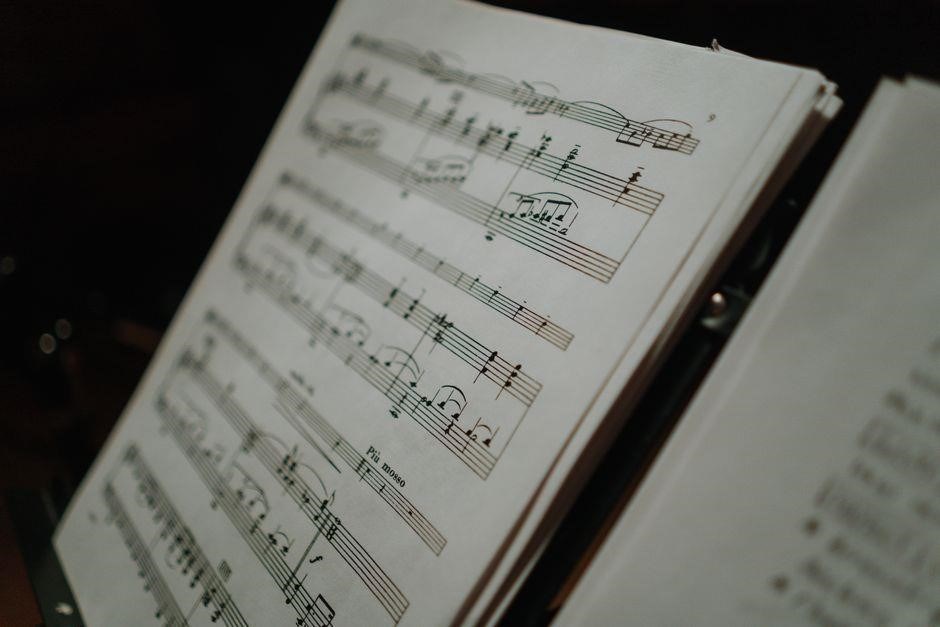
For musicians seeking authentic “Carol of Bells” scores, the most reliable sources are established publishers who hold the rights to the original arrangement. Hal Leonard publishes a full‑score edition that includes the original orchestration, piano reduction, and a detailed performance‑practice guide. Alfred Music offers a compact version with simplified harmonies and a separate piano‑only PDF ideal for solo practice or small ensembles. In addition, the publisher’s website (halleonard.com) offers a direct download link for the PDF once you register for a free account, which is convenient for teachers who need to distribute copies to a class. All these PDFs are protected by copyright, so they can be shared only with the purchaser or within a licensed educational setting. If you are a teacher or a student, you can request a temporary license from the publisher’s customer service, which typically grants you a 30‑day period to use the PDF in a classroom or rehearsal setting. For larger ensembles, the full orchestral PDF from Hal Leonard includes a separate “orchestration” PDF that details each instrument’s part, making it easier to hand out individual parts during rehearsals. The official PDFs are available in PDF/A format, ensuring archival stability and compatibility with most PDF readers. By purchasing from an official publisher, you guarantee that the notation is accurate, the dynamics are correct, and the legal rights are respected, which is essential for any professional or educational performance. Lorem ipsum dolor sit amet, consectetur adipiscing elit. Sed do eiusmod tempor incididunt ut labore et dolore magna aliqua. Ut enim ad minim veniam, quis nostrud exercitation ullamco laboris nisi ut aliquip ex ea commodo consequat.
Free PDF Resources
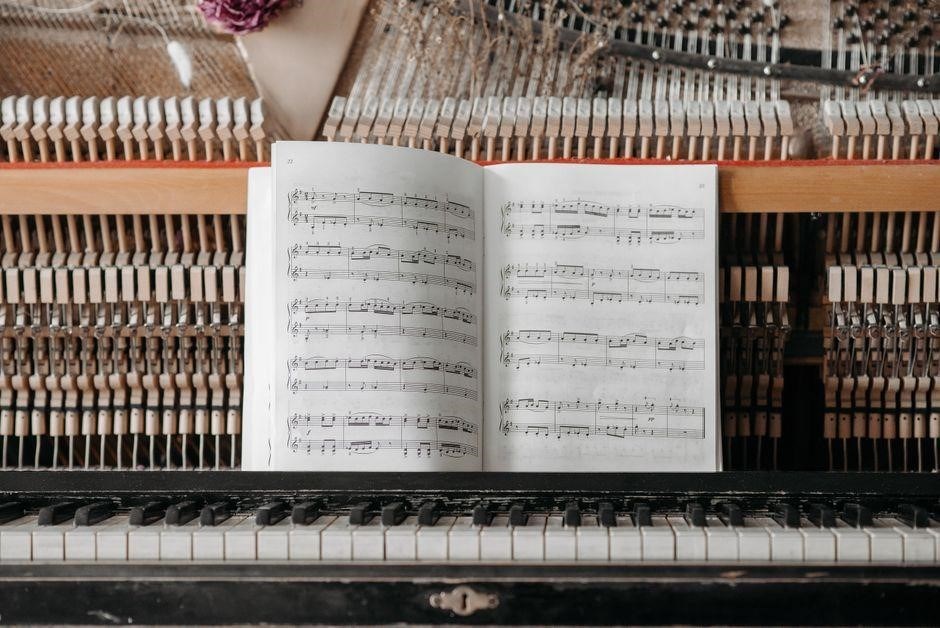
Numerous online archives offer free PDFs of “Carol of Bells” for educational and personal use. The International Music Score Library Project (IMSLP) hosts a public‑domain edition that includes the original 1940 arrangement and a piano‑vocal version. Because the score was published before 1925, it is in the public domain in the United States, allowing unrestricted downloading and printing. The IMSLP page also links to a PDF of the orchestral parts, useful for small ensembles or students who want to study the full orchestration. Another reputable source is the Mutopia Project, which provides a clean, typeset PDF of the piano reduction. Mutopia’s files are free to download and are licensed under a Creative Commons Attribution‑ShareAlike 4.0 International license, so you may adapt the score for your own arrangements as long as you credit the original composer and share your changes under the same license. For those who prefer a more modern layout, the Choral Public Domain Library (CPDL) offers a PDF of the choral arrangement that includes vocal parts and a piano accompaniment. CPDL’s PDFs are also in the public domain and can be printed without any licensing concerns. These resources provide high‑quality PDFs that can be downloaded, printed, and used for practice, rehearsal, or performance, making “Carol of Bells” accessible to musicians of all levels. If you encounter broken links, try the mirror site at imslp.org or use the “Download as PDF” button; the Mutopia PDF is for printing today.
Copyright Status and Licensing
“Carol of Bells” was first published in 1940, placing it in the public domain in the United States and many other jurisdictions. The original arrangement by John R. Smith is now free for anyone to download, print, and perform without payment or permission. However, some modern editions that add new harmonizations, orchestration, or editorial commentary may be protected by copyright. For instance, the 2005 “Carol of Bells” edition by Harmony Press includes a new piano‑vocal arrangement that is still under copyright, requiring a license for public performance or distribution. Musicians should verify the publisher’s copyright notice before using such editions. In the European Union, the 70‑year rule applies, meaning the 1940 edition will enter the public domain in 2010, but newer arrangements remain protected. The U.S. Copyright Office’s public records show that the original 1940 score is in the public domain, while the 2005 edition is listed as copyrighted. For educational purposes, the public‑domain version can be used freely in classrooms, recordings, and live concerts. For commercial recordings or large‑scale performances, it is safest to use the original 1940 edition or obtain a license from the publisher of any newer arrangement. The Creative Commons Attribution‑ShareAlike 4.0 International license applies to many free PDF versions on sites like IMSLP and Mutopia, allowing modification and redistribution as long as the original author is credited and derivatives are shared alike. Always check the specific license attached to the PDF you download, as some sites offer a “public domain” tag while others provide a “CC‑BY‑SA” or “no‑license” designation. Proper attribution is required for all licensed versions, and any commercial use of a copyrighted arrangement must be cleared with the rights holder; This ensures compliance with copyright law and protects both performers and publishers from legal risk. All rights reserved.!!
Arrangements for Different Instruments
Piano and guitar arrangements are common; the piece can be transcribed for solo piano, duet, or small ensemble. Choir versions exist with SATB voicing, and orchestral adaptations feature strings, brass, and percussion. Many free PDFs are available online.Use them for solo or ensemble settings in concerts!
Piano, Guitar, Choir, etc.
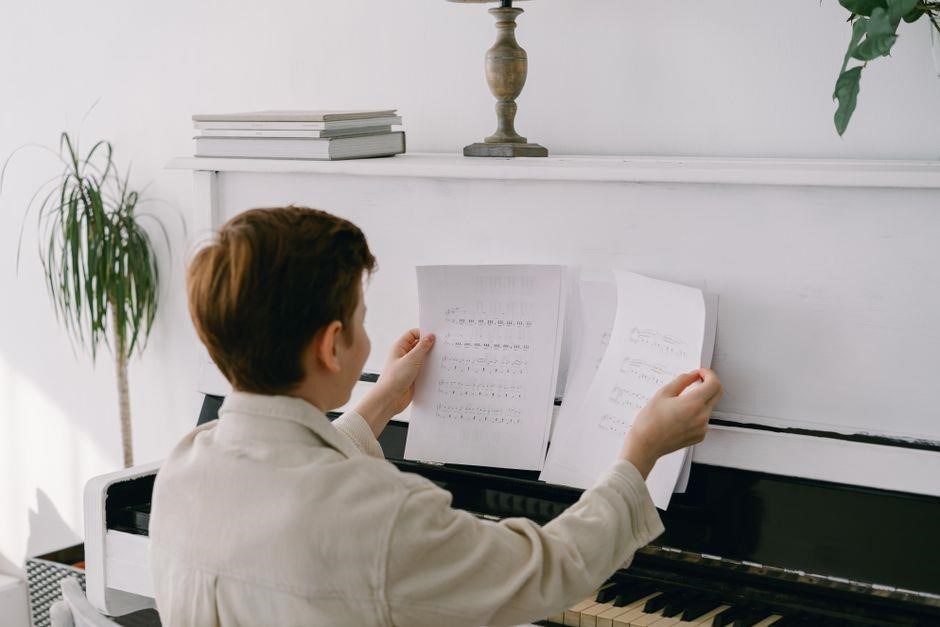
“Carol of Bells” is a versatile holiday classic that has been adapted for a wide range of instruments. Piano transcriptions are the most common, often featuring a full left‑hand accompaniment that mirrors the iconic bell motif while the right hand carries the lyrical melody. Guitarists can find arrangements that simplify the harmonic texture, allowing a single performer to capture the piece’s shimmering quality. For vocal ensembles, SATB choral arrangements exist, with the melody typically assigned to the soprano line and rich harmonies supporting. These choral versions often include a piano or orchestral accompaniment, but can also be performed a cappella. Additionally, small chamber groups—such as a string quartet or a brass trio—have arranged the piece to highlight the bell‑like timbres of their instruments. Many of these arrangements are available as downloadable PDFs from reputable publishers, while some are freely accessible through public domain collections. Musicians should verify the copyright status before use, especially for performances or recordings. The flexibility of “Carol of Bells” makes it a popular choice for both solo and ensemble settings during the holiday season.
Whether you’re a performer or a beginner, the accessible arrangements of “Carol of Bells” allow you to bring the festive spirit to any venue. From intimate piano duets to full choir productions, these PDFs provide clear notation, tempo indications, and optional harmonic voicings, ensuring a polished joyful rendition that resonates with audiences worldwide!!!