
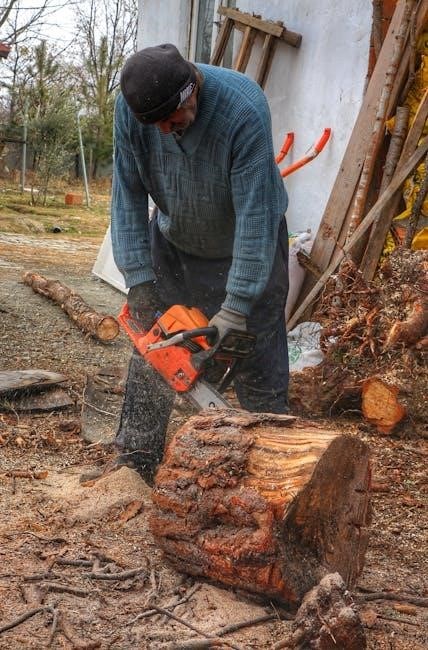
Echo CS-310 Chainsaw Manual: A Comprehensive Guide
This manual provides essential guidance for safe operation, maintenance, and troubleshooting of the Echo CS-310 chainsaw, ensuring optimal performance and longevity.
The Echo CS-310 is a powerful, lightweight, and reliable chainsaw designed for homeowners and professionals alike. This manual serves as a comprehensive resource, detailing everything from initial assembly to ongoing maintenance. Understanding its features and adhering to safety guidelines are crucial for effective and safe operation.
This guide will walk you through each step, ensuring you maximize the chainsaw’s capabilities while minimizing risks. Familiarize yourself with all provided literature before use to prevent potential injury and maintain peak performance.
Safety Precautions
Prioritize safety when operating the Echo CS-310 chainsaw. Always read and understand all warning labels and this entire manual before use. Failure to do so could result in serious injury. Be aware of potential hazards, including kickback, and maintain a firm grip.
Never operate the chainsaw with missing or damaged safety features. Proper personal protective equipment (PPE) is essential; this includes eye and hearing protection, gloves, and appropriate clothing.
Understanding Warning Labels
Echo CS-310 warning labels are crucial for safe operation. These labels detail potential hazards like kickback, chain breakage, and exposure to exhaust fumes. Pay close attention to symbols indicating risks and necessary precautions.
Labels highlight the importance of wearing PPE, maintaining proper distance from bystanders, and adhering to safe cutting practices. California Proposition 65 warnings indicate the presence of chemicals known to the state to cause cancer and reproductive harm.
Personal Protective Equipment (PPE)
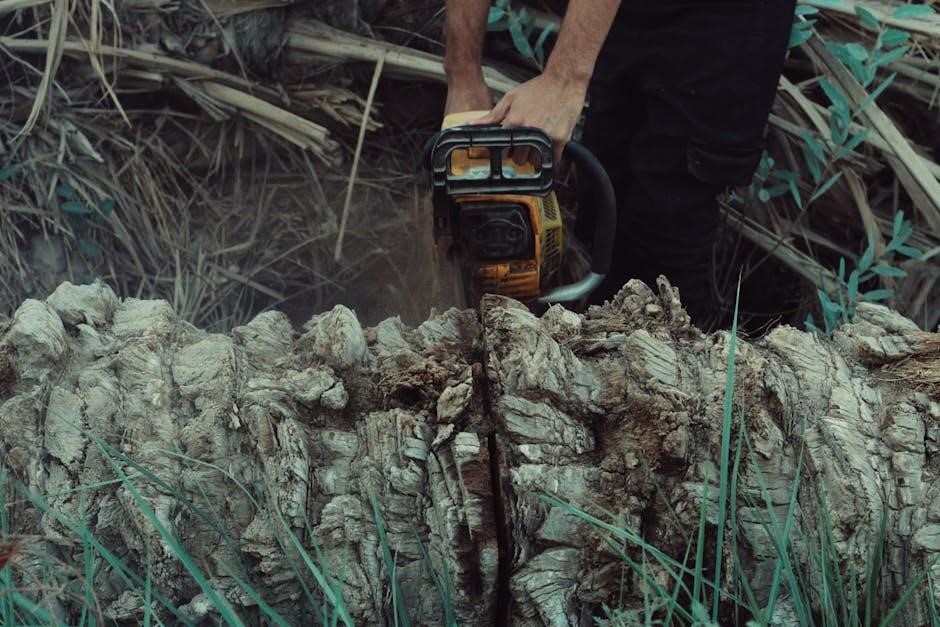
Always wear appropriate PPE when operating the Echo CS-310 chainsaw. This includes a certified hard hat, safety glasses or a face shield, hearing protection, snug-fitting gloves, and long pants.
Crucially, wear chainsaw chaps or leg protection constructed of ballistic nylon to protect against accidental contact with the moving chain. Sturdy, steel-toed boots provide foot protection. Failure to use proper PPE significantly increases the risk of severe injury during chainsaw operation.
Component Identification
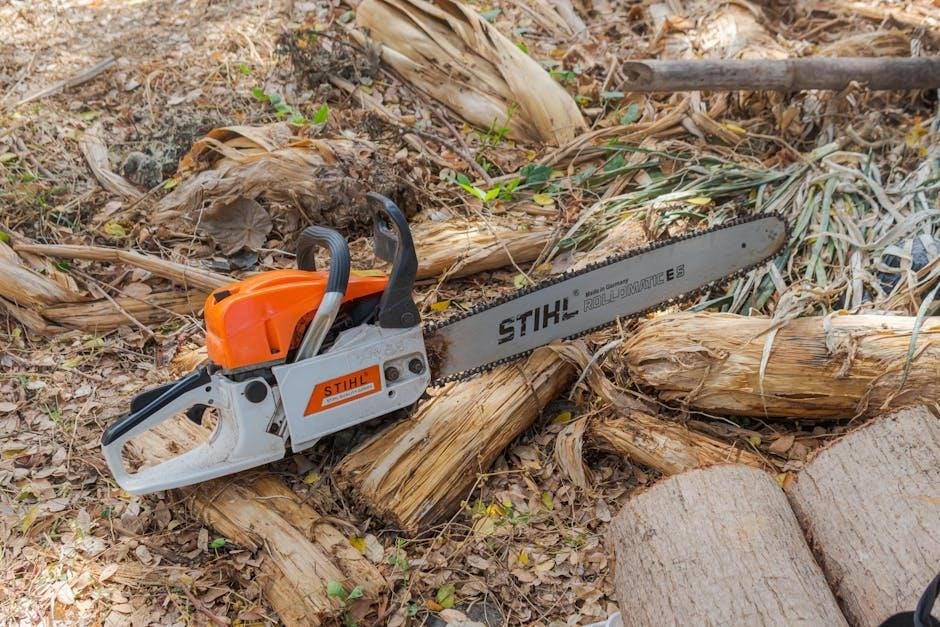
Familiarizing yourself with the Echo CS-310’s components is vital for safe and effective use. Key parts include the engine, guide bar, saw chain, starter assembly, fuel tank, oil tank, and anti-vibration system.
Understanding the function of each component – from the throttle trigger to the chain brake – ensures proper operation and maintenance. Refer to the detailed parts diagram for visual identification and locate each element before beginning any work with the chainsaw.
Chainsaw Parts Diagram
A comprehensive diagram illustrates the Echo CS-310’s assembly, clearly labeling each component for easy identification. This visual guide details the placement of the engine, guide bar, chain, starter, fuel and oil tanks, and safety features like the chain brake.
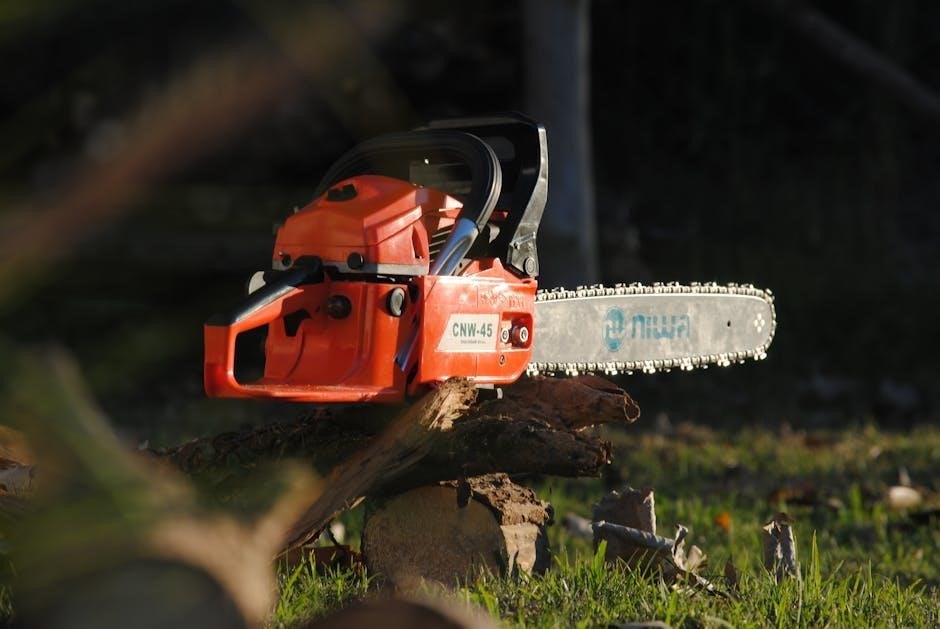
Utilize this diagram during assembly, maintenance, and when ordering replacement parts. Accurate part identification is crucial for ensuring compatibility and proper functionality, maximizing the chainsaw’s performance and your safety.
Key Components and Their Functions
The engine powers the chain, while the guide bar directs its movement. The chain itself performs the cutting, and the fuel tank supplies the necessary energy. The oil tank lubricates the chain, reducing friction and wear.
Crucially, the chain brake enhances safety, stopping the chain instantly in emergencies. The starter initiates the engine, and the muffler reduces noise. Understanding each component’s role is vital for effective operation and maintenance.
Assembly Instructions
Before first use, careful assembly is crucial for safe and efficient operation. Begin by securely attaching the guide bar, ensuring proper alignment with the chainsaw body. Next, install the chain, verifying correct direction and tensioning for optimal cutting performance.
Proper tension prevents derailment and ensures clean cuts. Double-check all fasteners are tightened, and familiarize yourself with the location of safety features. Incorrect assembly can lead to malfunctions or injury, so proceed with diligence.
Attaching the Guide Bar
Securely mounting the guide bar is the initial assembly step. Position the bar onto the chainsaw body, aligning the bar mounting studs with the corresponding holes. Install the bar nut, tightening it finger-tight initially. Ensure the bar’s drive links engage correctly with the sprocket.
Avoid over-tightening at this stage. Proper alignment prevents premature wear and ensures smooth chain movement. Once the chain is installed, final tightening will occur during tensioning, guaranteeing a secure fit.
Chain Installation and Tensioning
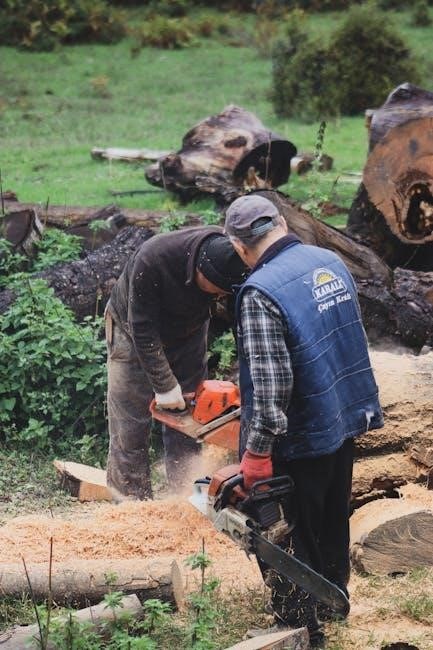
Carefully place the chain around the guide bar, ensuring the drive links are facing the correct direction – typically, the cutting edges point forward. Align the chain with the bar and sprocket, then position the chain tensioner.
Adjust the tensioning screw until the chain exhibits minimal slack, yet moves freely around the bar. Proper tension is crucial; too loose causes derailment, while too tight strains the engine. Regularly check and readjust tension during use.
Starting the Chainsaw
Before starting, ensure the chainsaw is on a firm, level surface and the chain brake is engaged. Confirm proper fuel and oil levels. For a cold start, prime the carburetor bulb six to ten times, set the choke lever to the ‘closed’ position, and firmly grasp the starter handle.
Pull the starter cord briskly until the engine attempts to start. Once it sputters, disengage the choke and pull again. A warm start requires fewer pulls and no priming or choking.
Cold Start Procedure
Begin by ensuring the chainsaw is positioned on a stable surface with the chain brake engaged for safety. Prime the carburetor bulb approximately six to ten times until fuel is visible within. Next, move the choke lever to the ‘closed’ position, restricting airflow to enrich the fuel mixture.
Firmly grip the starter handle and pull the starter cord with a swift, controlled motion. Repeat until the engine shows signs of starting, then disengage the choke and pull again to complete the ignition process.
Warm Start Procedure
With a warm engine, the starting process is simplified. Ensure the chainsaw remains on a stable surface, chain brake engaged. Typically, no priming is required as residual fuel remains in the carburetor. Move the choke lever to the ‘half’ or ‘open’ position, depending on engine temperature.
Grip the starter handle firmly and pull the cord with a smooth, deliberate motion. The engine should ignite quickly. If it fails, briefly engage the choke fully and repeat the starting attempt. Avoid excessive pulling.
Operational Instructions
Always prioritize safety when operating the Echo CS-310. Before each use, inspect the chainsaw for damage and ensure all safety features are functional. Maintain a firm grip with both hands, keeping a safe distance from the chain.
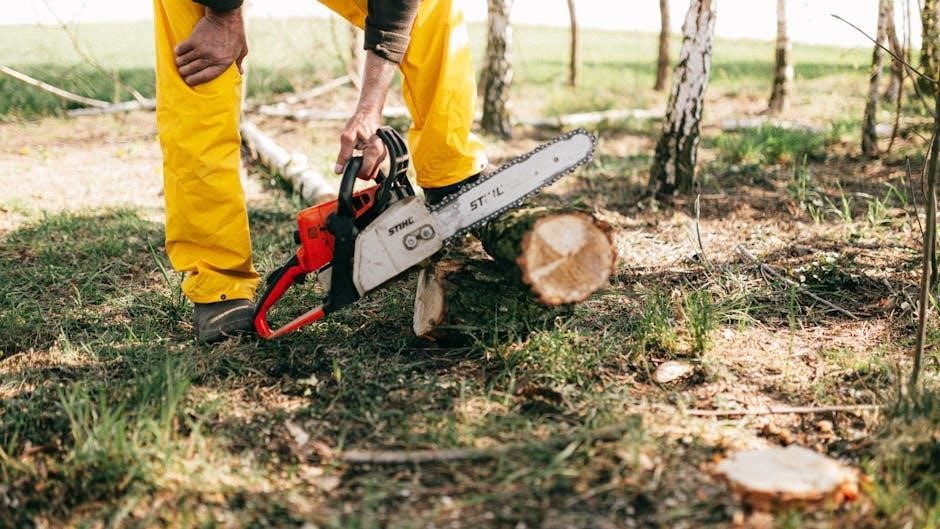
Begin with the engine clear of obstructions and utilize proper cutting techniques, avoiding kickback. Never overreach or cut above shoulder height. Regularly check chain tension and lubrication during operation for optimal performance and safety.
Proper Cutting Techniques
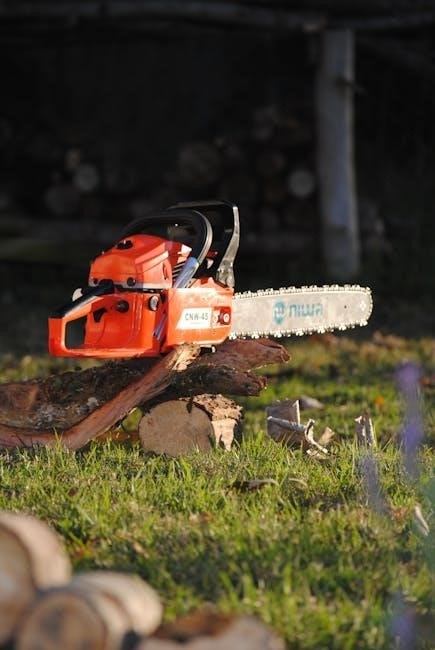
Employ a firm stance and secure footing when using the Echo CS-310. Initiate cuts with the running chain at full speed, applying gentle pressure. Avoid pinching the bar, which can cause kickback. Utilize the lower portion of the bar for felling and bucking operations.
Plan your cuts carefully, considering wood grain and potential hazards. Never cut with the tip of the bar. Maintain awareness of your surroundings and ensure a clear escape path. Regularly inspect the wood for hidden objects.
Safe Handling Practices
Always carry the Echo CS-310 with the chain brake engaged and the muffler away from your body. Never operate the chainsaw with one hand. Be mindful of kickback zones and maintain a firm grip on the handles. Inspect the chainsaw before each use for damage or loose parts.
Refuel only when the engine is cool and in a well-ventilated area. Avoid dropping or mishandling the chainsaw. Store it in a secure location, out of reach of children.
Maintenance Schedule
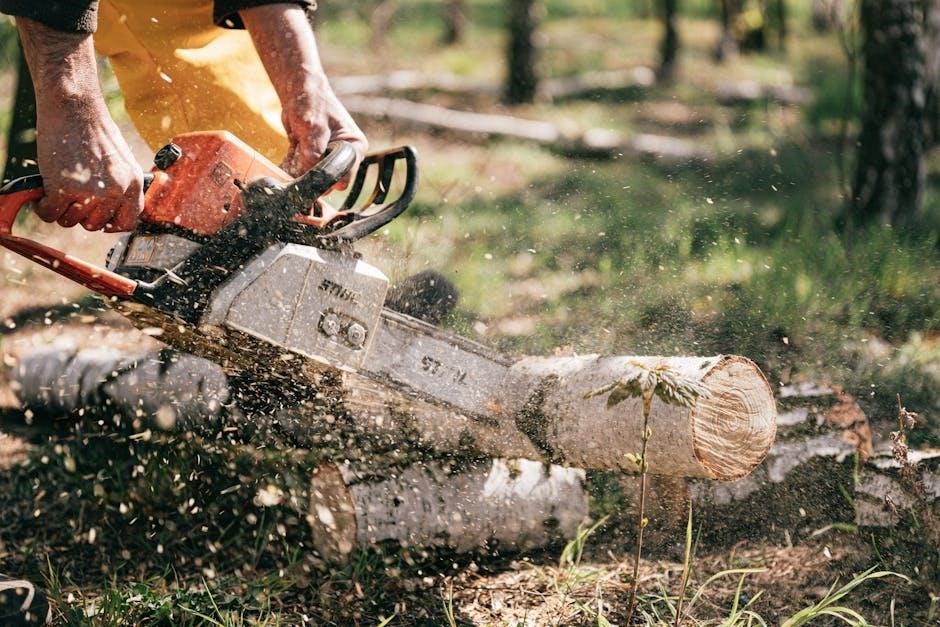
Regular maintenance is crucial for optimal performance. After each use, clean the air filter and inspect the chain for damage. Every 25 hours, sharpen the chain and check the guide bar for wear. Periodically, inspect and clean the spark plug.
Every 50 hours, check the fuel lines and filter. Annually, a professional inspection is recommended. Proper maintenance extends the life of your Echo CS-310 and ensures safe operation.
Chain Sharpening
Maintaining a sharp chain is vital for efficient cutting and safety. Use a round file of the correct size, following the existing angle of the cutting teeth. Ensure consistent filing depth for each tooth.
Sharpen both sides of the chain equally to maintain balance. Regularly check the depth gauges and file them down if necessary. A dull chain requires more force, increasing kickback risk and reducing cutting performance.
Bar Maintenance
Proper bar maintenance extends its lifespan and ensures smooth chain operation. Regularly clean the bar groove to remove sawdust and debris, preventing binding and wear. Inspect the bar rails for burrs or damage, filing them smooth if needed.
Periodically flip the bar to distribute wear evenly. Check the bar for straightness; a bent bar can cause chain derailment. Lubricate the bar frequently during use to reduce friction and heat buildup, maximizing efficiency.
Fuel and Oil Specifications
Using the correct fuel and oil is crucial for optimal performance and longevity of your Echo CS-310. A 50:1 ratio of high-quality, unleaded gasoline to 2-cycle engine oil is recommended. Always use fresh fuel and a reputable oil brand.
For chain lubrication, utilize a bar and chain oil specifically designed for chainsaws. The oil reservoir capacity is approximately 6.8 fl. oz. Regularly check and refill the oil level during operation to prevent premature wear and ensure efficient cutting.
Recommended Fuel Mix Ratio
Maintaining the correct fuel mixture is paramount for the Echo CS-310’s engine health. Echo recommends a precise 50:1 ratio – meaning 50 parts of gasoline to 1 part of high-quality 2-cycle engine oil.
Always use fresh, unleaded gasoline with a minimum octane rating of 87. Avoid fuels containing ethanol exceeding 10%, as it can damage the fuel system. Thoroughly mix the fuel and oil in a clean container before adding it to the chainsaw’s tank.
Oil Type and Capacity
Proper chain lubrication is crucial for extending the life of your Echo CS-310’s bar and chain. Use a high-quality bar and chain oil specifically formulated for chainsaws. Avoid using recycled oils or substitutes, as they may not provide adequate lubrication.

The oil tank capacity of the CS-310 is approximately 6.8 fluid ounces (200 ml). Regularly check the oil level before each use and refill as needed. Ensure the oiler is functioning correctly to maintain consistent lubrication during operation.
Troubleshooting Common Issues
Encountering problems with your Echo CS-310? If the chainsaw won’t start, check the fuel level, spark plug, and ensure the choke is properly engaged. A chain stopping during cutting often indicates insufficient chain tension or a dull chain – sharpen or adjust accordingly.
Always disconnect the spark plug wire before performing any maintenance or troubleshooting. Refer to the full manual for detailed diagnostic steps and safety precautions. Persistent issues require professional service.
Chainsaw Won’t Start
If your Echo CS-310 fails to start, first verify adequate fuel and a clean air filter. Ensure the spark plug is in good condition and properly connected. Confirm the choke is engaged for cold starts and disengaged for warm restarts.
Check the fuel lines for obstructions. A flooded engine may require repeated pull-starts with the throttle open. Always disconnect the spark plug wire before inspecting or cleaning. If problems persist, consult a qualified technician.
Chain Stops During Cutting
If the chain halts mid-cut, immediately stop the engine and disconnect the spark plug wire. Inspect the chain for proper tension – a loose chain frequently binds. Examine the guide bar for damage or debris accumulation, clearing any obstructions.
Ensure adequate chain lubrication. A dry chain increases friction and can cause stalling. Check the oiler system for functionality. If the issue continues, the chain may require sharpening or replacement. Consult a professional if needed.
California Proposition 65 Warning
This product’s engine exhaust and some components contain chemicals known to the State of California to cause cancer, birth defects, or other reproductive harm. Exposure can occur during normal operation.
To minimize risk, avoid breathing exhaust fumes and contact with residues. Always operate the chainsaw in a well-ventilated area. Wear appropriate protective gear, including a respirator if necessary. Refer to the full Proposition 65 warning for detailed information.
CAN ICES-2/NMB-2 Compliance
This chainsaw complies with the Canadian CAN ICES-2/NMB-2 interference-causing equipment standard. This certification ensures that the Echo CS-310 does not exceed the limits for radio frequency emissions, minimizing potential interference with other electronic devices.
It’s designed to operate within established guidelines for electromagnetic compatibility in Canada. This compliance is crucial for responsible use and integration within a variety of environments. Further details regarding this standard can be found on the Industry Canada website.
Manual Storage and Retrieval
To ensure long-term accessibility, store this Echo CS-310 chainsaw manual in a safe, dry location. Protecting it from moisture, extreme temperatures, and physical damage is vital for preserving its clarity and usefulness.
Consider a protective cover or folder for added security. Keep the manual readily available for future reference during maintenance, troubleshooting, or when sharing the chainsaw with others. A well-maintained manual extends the life and safe operation of your Echo CS-310.
Contact Information for Support
For assistance with your Echo CS-310 chainsaw, reach out to Echo Incorporated’s customer support team. They offer expert guidance on operation, maintenance, and parts inquiries.
Visit the official Echo website for frequently asked questions, downloadable resources, and a dealer locator. Alternatively, contact them directly via phone or email – details are available in the manual; Prompt support ensures your chainsaw remains in optimal working condition, maximizing its performance and safety.